


I began riding motorcycles when I was fifteen years old. And when I wasn't riding, I was reading about motorcycles.
There was one picture from Motorcyclist magazine that became etched in my mind. A Kawasaki ZX-7R motorcycle with a "chrome" frame. 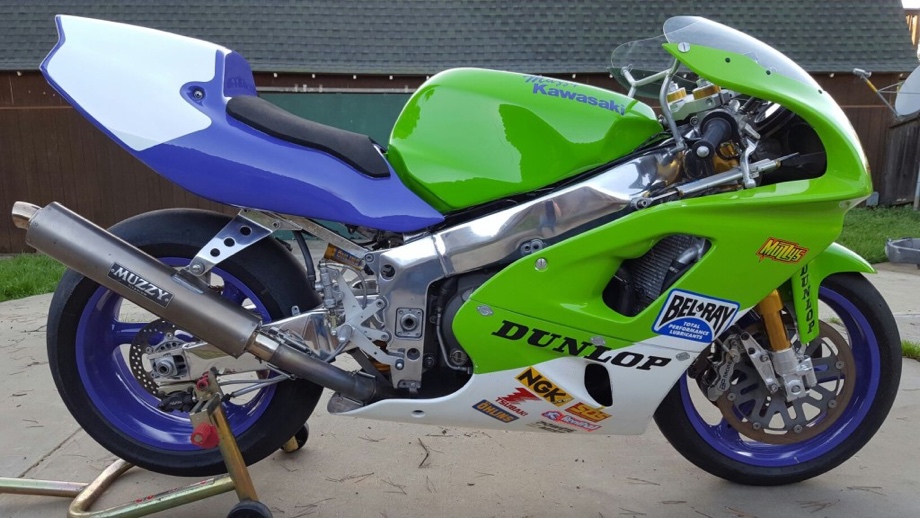 This is not the exact picture - I couldn't
Dash Rehab Part 1: Cutting & Prepping New Panels
When we bought the bus, we knew that we would need to redo the dash and switch panels. The wood was cracking, was poorly cut, and was generally looking sad. In addition, some of the gauges didn’t work very well, and some didn’t work at all. The old
A Hacker's Take on RV House Batteries: Part 6 - Installing the Nissan Leaf Battery in the Bus
The time had finally come to install our Nissan Leaf battery into the bus. To be honest, this whole thing has been such an experiment, we were kind of surprised we actually got to this point.
When Juan took out the old factory bus heat and a/c components in
A Hacker's Take on RV House Batteries: Part 5 - How we Make Cables and Final Wiring
In this post, we want to highlight how we make large (2/0) cables and introduce some of the tools we have really enjoyed using.
As discussed earlier, our Nissan Leaf 48 Volt module is comprised of 7 cells in parallel combined with 7 cells in series. This makes for
A Hacker's Take on RV House Batteries: Part 4 - BMS selection, BMS wiring, protecting the copper, test fit, planning
After fabricating a metal cage to protect the battery, we needed to tackle how to protect the exposed bus bars. Originally we were going to try to use some kind of plexiglass or clear acrylic to enable the polished copper to be seen. That proved to be too difficult. Besides,
A Hacker's Take on RV House Batteries: Part 3 - Building the Battery Stand
After reconfiguring the Leaf battery modules into a 48V system, we were ready to build a stand for them. It needs to fulfill a few requirements. First, it needs to support the upper portion of our battery bank which weighs in at about 200 pounds (400 pounds for both upper
Mini Split A/C in an RV
We knew pretty early on that we were going to need to replace the rooftop a/c for a few reasons. First, it simply didn’t cool the bus down very well. It was a 13,500 BTU Coleman Mach unit. It blew cold, but it just didn’t push
Holey Bus, Batman! How We Patched Holes in the Aluminum
Holey bus, Batman! That’s holey, not holy. During the demo process, we created a lot of new holes in the exterior of the bus. We removed the city water inlet - small hole. We removed the tv cable inlet - small hole. We removed the furnace vent - medium
Movin' on Up - Building the Stairs Part 1
When we bought the bus, the entryway and stair risers were covered in carpet. The carpet in the bus was old and in bad shape, so pulling it out was one of the first things we did in the demo process. What remained underneath left a lot to be desired,
I Hate Climbing on the Roof of my Bus! - Installing MaxxFan Deluxe Vent Fans
Our bus has three vent fans in it, but, oh man, the ones that were in there when we bought it were redonkulous. That word bugs me, but I couldn’t come up with a better description. The fans were teeny tiny, PC-style fans.
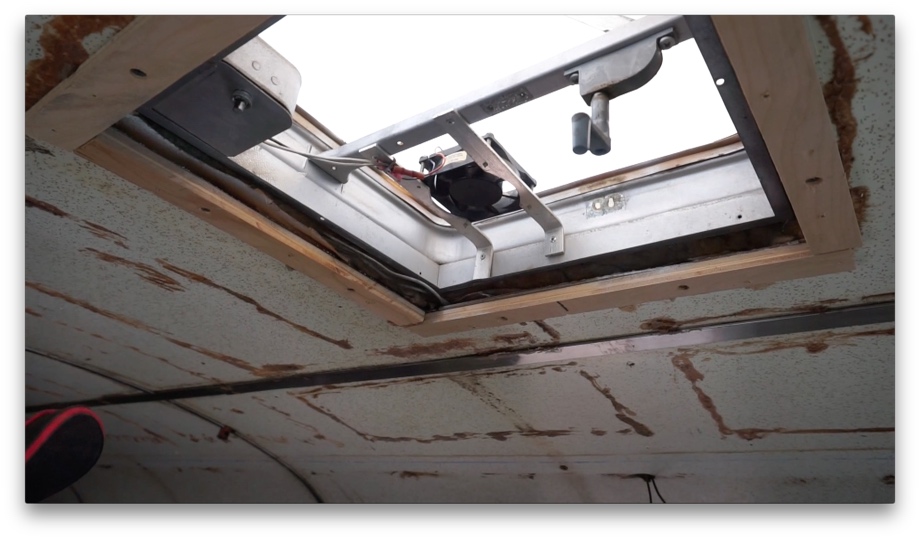 I mean, how in the world
Rockin' the Roxul - Insulating the Walls
Back in March, it was already getting close to 100 degrees F here in the Phoenix area. We knew we needed to get the bus insulated quickly. We researched several options but decided to go with Roxul AFB. Our friends the Bareneckers had used it on their Airstream renovation, and
Sitting Pretty - Covering the Engine Bay
When I was in first grade living in Apple Valley, California, I rode the bus to school. The experience of riding the school bus for the first time might teach a kid many lessons: how to make a new friend when looking for a place to sit, how to pay